Ever wondered why your tracks don’t sound quite like the ones you hear on Spotify or the radio?
If you’re an independent artist, chances are you’ve heard the terms mixing and mastering thrown around a lot — sometimes interchangeably, sometimes as mysterious “industry-only” processes.
And yet, when it comes time to release music, this confusion often leads to one of three outcomes:
- Artists skip a step entirely
- They pay for the wrong service
- Or they don’t really know why their track still doesn’t sound right
This guide is here to help you understand what mixing and mastering actually are, how they differ, and how to know what your music needs.
What Is Mixing?

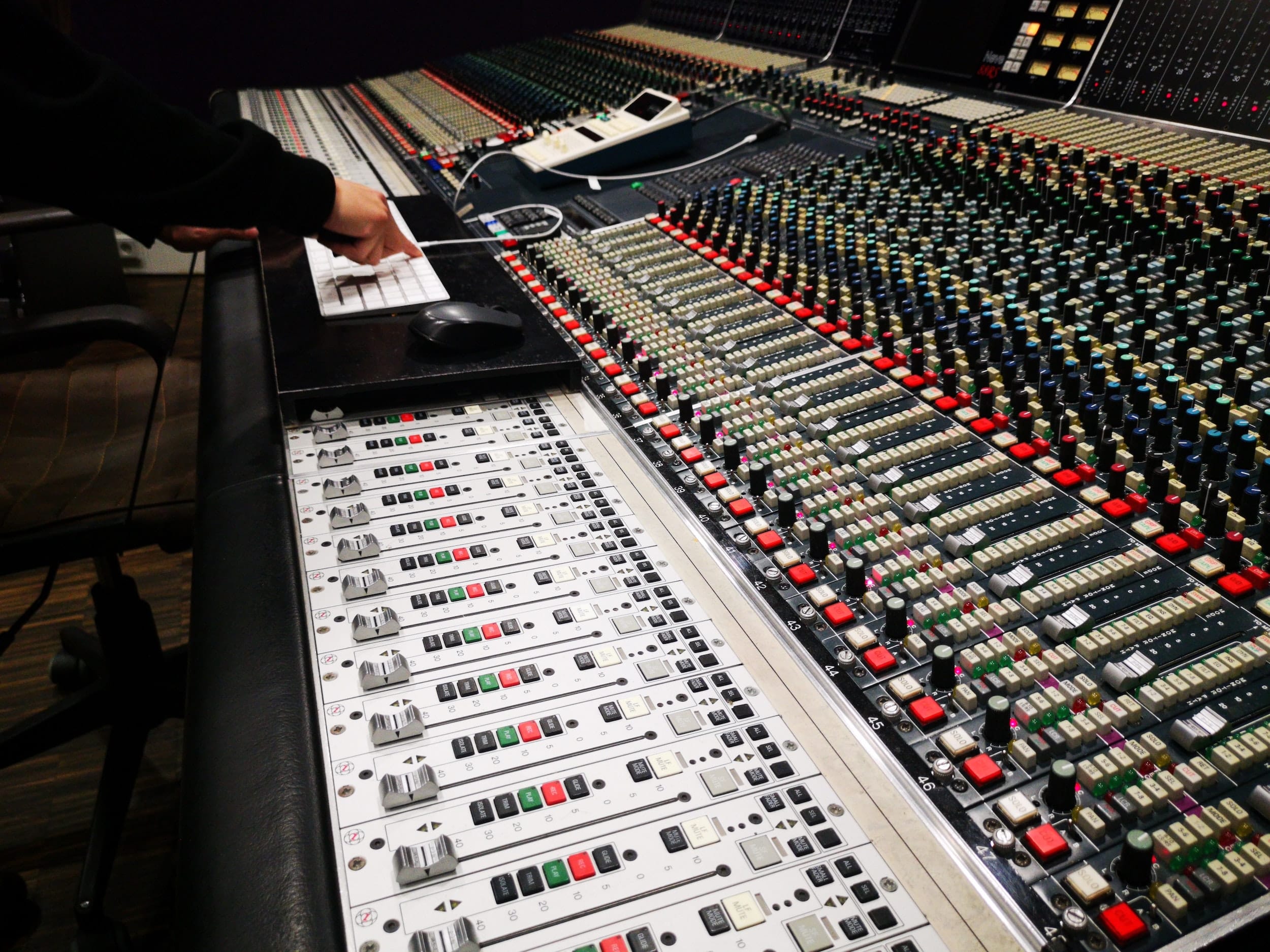
Put simply, Mixing is the process of taking all the individual recorded parts of your song; vocals, drums, guitars, synths, bass, effects or whatever, and shaping them into a single, balanced, emotional piece of music.
At its core, mixing is about clarity, balance, and impact. In a good mix all of these things will help to carry the emotion and message of a song whatever that might be. Mixing is about Enhancing the production of a song and making the most of what is already there, but it cannot save a poor arrangement or composition.
A mixing engineer will typically:
- Balance levels so every part can be heard clearly
- Use processing such as EQ and saturation to make space for each instrument
- Apply compression to control dynamics and add punch
- Use effects like reverb and delay to create depth and atmosphere
- Shape the stereo image so the mix feels wide, focused, and engaging
A useful way to think about mixing is this:
Mixing is where the song becomes the song.
You can have a great performance and a strong idea, but if elements are fighting each other, buried, or harsh, the emotional message gets lost. A good mix brings intention and cohesion to your production.
What Is Mastering?
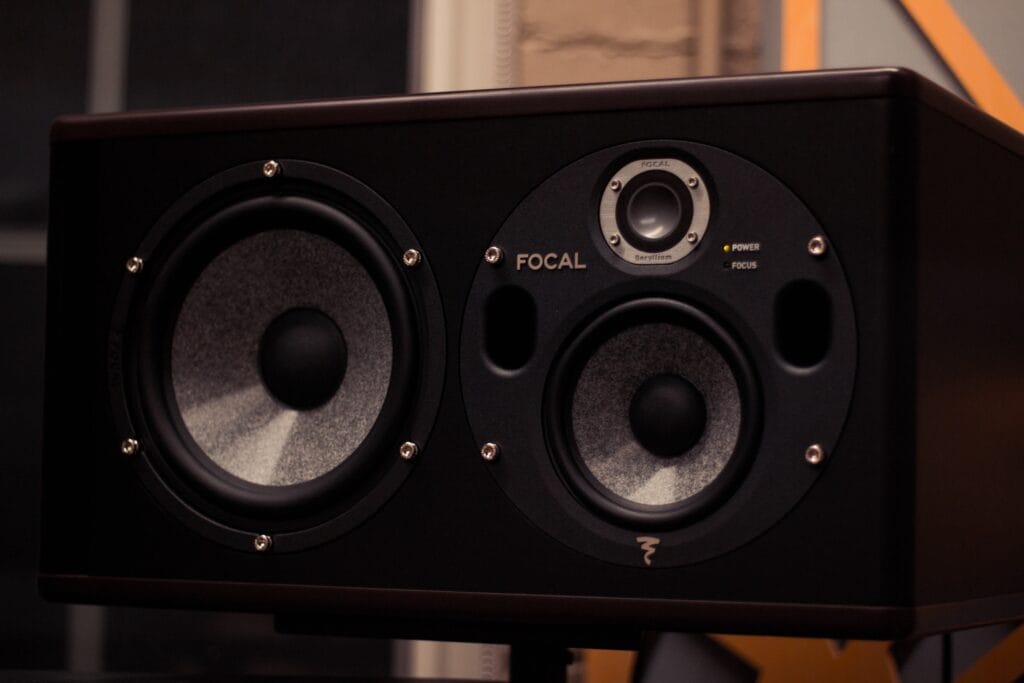
Mastering is the final step before release.
Once a song is mixed, mastering focuses on the finished stereo track as a whole, rather than individual instruments. The goal is to make sure your music sounds polished, consistent, and ready to stand alongside other commercial releases.
Mastering typically involves:
- Subtle EQ to refine the overall tone
- Compression and other processing to enhance the mix by adding further depth, clarity or cohesion to the mix
- Limiting to control dynamics and increase perceived loudness
- Ensuring the track translates well across different systems (headphones, cars, phones, clubs)
- Preparing files correctly for streaming platforms, physical formats such as CD, and distribution
- Embedding metadata where needed
If mixing is about shaping the song, mastering is about preparing it for the world.
It’s the difference between something that sounds good in your studio and something that holds up everywhere else.
In a perfect world, the only mastering a mix would require is loudness maximisation. In other words your mix should sound as close to the finished record as possible before mastering.
Mixing vs Mastering: What’s the Difference?
While they’re closely connected, mixing and mastering serve very different purposes.
Mixing:
- Works on individual tracks
- Focuses on balance, tone, and emotion
- Shapes the internal relationship between instruments
Mastering:
- Works on the final stereo file
- Focuses on loudness, consistency, and translation
- Prepares music for release and distribution
Mastering can enhance a good mix — but it can’t fix a bad one.
If the balance, tone, or clarity aren’t there in the mix, mastering won’t magically solve it.
Mixing vs Mastering – Key Differences
| Aspect | Mixing | Mastering |
| Goal | Balance individual tracks | Make finished track sound professional |
| Process | Adjust individual instruments/vocals | Final polish & loudness |
| Tools | EQ, compression, saturation, distortion individual track faders, reverb, delay, creative effects, automation, parallel effects | EQ, compression, multiband compression, limiters, sound stage and loudness enhancement |
| Result | A polished song ready for mastering | Release-ready track for streaming, CD, or vinyl |
Which One Do You Need?

This is where most independent bands and artists get stuck.
Here’s a simple way to think about it:
- If your track sounds unbalanced, muddy, harsh, or unclear you need mixing
- If your track sounds good but quiet, inconsistent, or doesn’t translate well you need mastering
There’s no single “right” path, but skipping steps usually leads to frustration later. Both mixing and mastering are essential parts of creating a professional-sounding record.
That said, in my experience, far more music needs better mixing than mastering.
Many artists request mastering when the real issues are happening much earlier in the process. This is understandable — mastering is usually cheaper, and it feels like the “final step” — but there’s often a lot more work needed to make a production competitive in today’s music landscape.
I regularly hear great songs that were:
- Recorded well
- Performed well
- Written with care
…but then either:
- Mixed quickly at home without a reliable listening setup
- Or not mixed at all before mastering was attempted
Mixing is one of the most underrated stages of the entire process, but it’s absolutely foundational. Mastering can enhance a great mix but it can’t rescue a compromised one.
A simple reality check:
Try playing your mix back-to-back with a few of your favourite artists on the same speaker system. Match the loudness as closely as you can. If your mix is ready, it should sit surprisingly close — not identical, but comparable in balance, clarity, and impact.
I’ll be putting together a simple visual flowchart to help artists decide what their music needs next — mixing, mastering, or both.
When Is Mastering Enough?
There are situations where professional mastering alone is enough — and it’s worth being clear about them.
Mastering is usually sufficient if:
- Your track is already well-balanced and clear
- You’re confident in the mix decisions
- The song translates well across different speakers and headphones
- You mainly need level matching, tonal refinement, and consistency for release
This is often the case when:
- A track has been mixed by an experienced engineer
- You’re working with a trusted producer or studio
- You’ve mixed the song yourself but in a reliable, well-treated listening environment
In these situations, mastering acts as a final quality control and polish, ensuring your track is competitive and ready for distribution.
It often takes a trained ear and experience to know what needs to be done to get a track where the artist wants it to be. Many artists can hear that something isn’t quite right, without being sure why — or whether the issue lives in the mix or the master.
In cases like that, it’s usually worth getting a professional opinion on whether your mix is actually ready for mastering, or whether some mix work would make a much bigger difference first.
Where artists sometimes get caught out is assuming mastering will solve issues that are actually mix-related — balance problems, harshness, masking, or unclear vocals. Mastering can improve what’s there, but it can’t rewrite decisions that were never made in the mix.

Why Professional Mixing and Mastering Matter
It’s not just about loudness or polish.
A strong mix can:
- Make your song hit emotionally in the way you intended
- Keep listeners engaged from start to finish
- Give your music confidence and focus
- Help it stand alongside professional releases without apology
Good mixing and mastering remove distractions. They allow the listener to focus on what actually matters: the song, the performance, and the feeling behind it.
Professional audio work isn’t about “fixing” your music — it’s about revealing it properly.
I originally got into mixing while trying to make my own music sound better. What I didn’t realise at the time was that this would become a journey spanning decades, pulling me deeper into listening, technique, and problem-solving.
If you’re considering mixing or mastering your own work, there are plenty of resources available — and learning these skills can be incredibly rewarding. But if you’re serious about releasing music as an artist, working with a professional can save you enormous amounts of time, money, frustration, and second-guessing.
Mixing and mastering require:
- Trained listening skills
- Years of experience
- Technical knowledge
- Reliable monitoring
- And a space you can trust
Just as importantly, a professional brings fresh ears. Someone who hasn’t lived with the song for months will almost always hear things you’ve become blind to — simply because you’ve been too close to it for too long.
Final Thoughts
Mixing and mastering aren’t mysterious industry secrets — they’re practical, creative processes designed to help your music translate and connect.
Understanding the difference helps you:
- Make better decisions
- Spend your budget wisely
- Finish more music with confidence
If you’re unsure what your track needs, that’s completely normal. Sometimes the most valuable thing is simply having an honest conversation about where your music is at and what will help it move forward.
If you’d like to talk about your project, you’re always welcome to reach out for a no-pressure chat or send your mix over for one friendly feedback.